What Is the History of Decorating Cakes With Flowers?
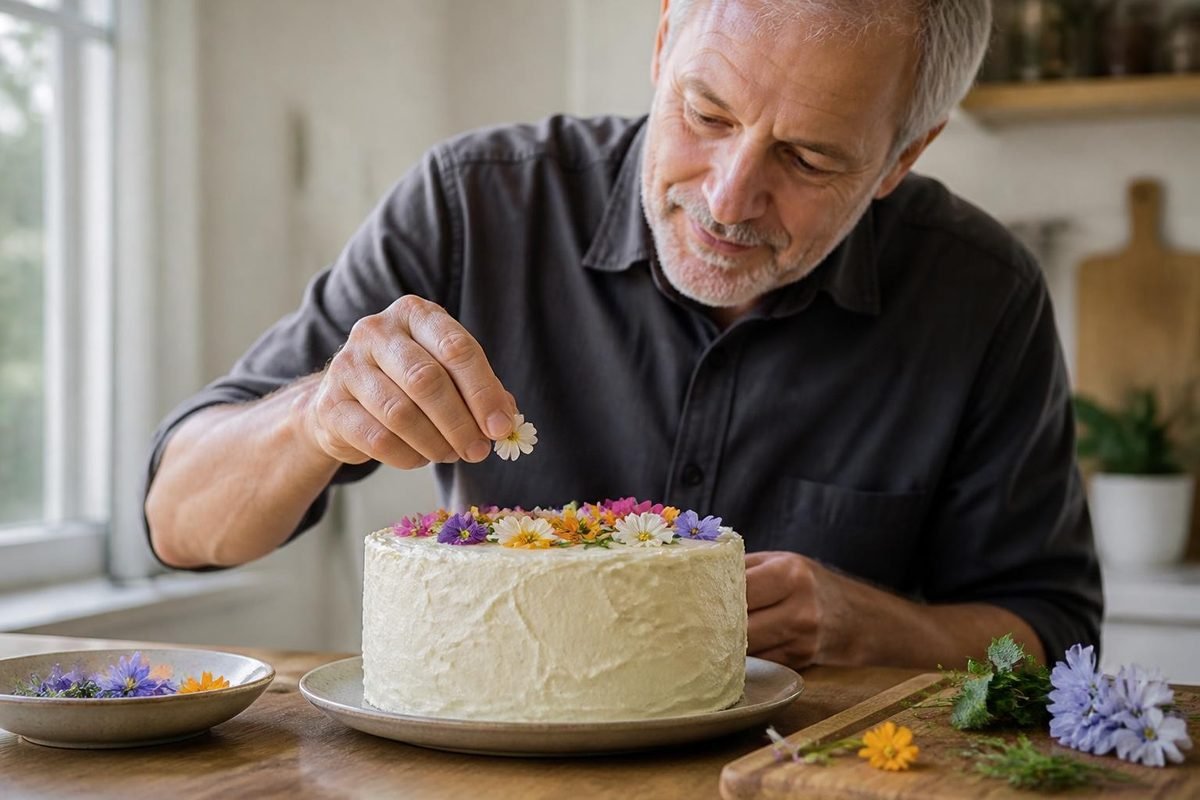
Decorating cakes with flowers grew from several traditions, including the use of real blossoms in food and the making of flowers from sugar. Over time, bakers used candied flowers, piped icing, sugar paste and fresh blooms to give cakes color and meaning.
Flowers and sugar in early cooking
Flowers have a long history in European cooking. Rose petals and violets were used for their scent and flavor, while rosewater became an ingredient in sweets and baked goods. These ingredients were not always decorations: a flower could be part of a recipe even when no petals appeared on the finished dish.
Sugar offered another way to preserve and display flowers. Cooks coated blossoms with sugar, producing delicate edible decorations. These flowers could be placed on sweet dishes and, later, on cakes. The distinction matters because the history of eating flowers is older and broader than the history of putting them on the cakes familiar today.
Flowers made from sugar
As European confectionery developed, skilled makers shaped sugar into decorative objects, including flowers. Sugar was expensive for much of its history, and elaborate work was associated with wealthy households and special occasions. A flower made from sugar could provide the look of a blossom without relying on a fresh one.
By the nineteenth century, improved sugar refining and wider access to sugar helped make decorated cakes more common. Bakers also developed more elaborate ways to work with icing. Royal icing, made with sugar and egg white, could be piped into patterns and flowers that hardened as they dried.
Floral decoration suited celebration cakes because it could be adapted to a large surface or used as a small detail. A baker might add a border of piped blossoms, arrange flowers around a tier, or place a spray on top.
Flowers on wedding cakes
Wedding cakes became increasingly elaborate in Britain during the nineteenth century. White icing and stacked tiers became familiar features of formal celebrations, and flowers were among the decorations used on them. Bakers could make blossoms from icing or sugar paste, while fresh flowers offered another decorative option.
Different flowers carried associations in popular culture. Orange blossom, for example, was linked with bridal dress and weddings in nineteenth century Britain. A flower on a cake did not need to have a fixed meaning, though. Color, season, availability and the preferences of the couple could all influence the choice.
Modern floral cakes
Today, cakes may feature fresh flowers, dried petals, candied blossoms or flowers made from sugar paste, buttercream or icing. Some designs use a few small blooms, while others arrange flowers across several tiers. Sugar flowers remain useful when a baker wants a particular shape or color that is difficult to find in season.
Fresh flowers need care because not every flower is edible or suitable for contact with food. Even an edible variety should be grown and handled for food use. Bakers may also use a barrier between decorative stems and the cake, particularly when the flowers are not intended to be eaten.
Across these changes, floral cakes have kept a simple visual link between flowers and celebration. Their materials have changed, but the decoration still brings the shape and color of a garden to the table.
Related reading: online flower ordering tips